Best Time for Hiking in Slovenia: Month-by-Month Guide
A practical month-by-month guide to Slovenia hiking conditions: when high trails open, huts run full service, storms build, and crowds peak on classics.

Anja
Published February 25, 2026
Edited March 16, 2026
13 min read
Quick links
Don't want to read all this?
We've planned 2,000+ hiking trips. Send your dates, fitness and group size — we'll map the route and book every night.



Slovenia’s best hiking month depends on one simple thing: are you hiking high routes (hut-to-hut, passes, Triglav-area terrain) or staying lower? For the classic Alpine stuff, the dependable window is late June through September, but the exact start shifts because hut openings and trail access follow snowmelt and current conditions, not fixed dates.
If you want the easiest planning, aim for July–early September. If you’re choosing late June, treat it as a “great when it works” option—quiet, green, but potentially still transitional for some huts.
When to Hike Where in Slovenia
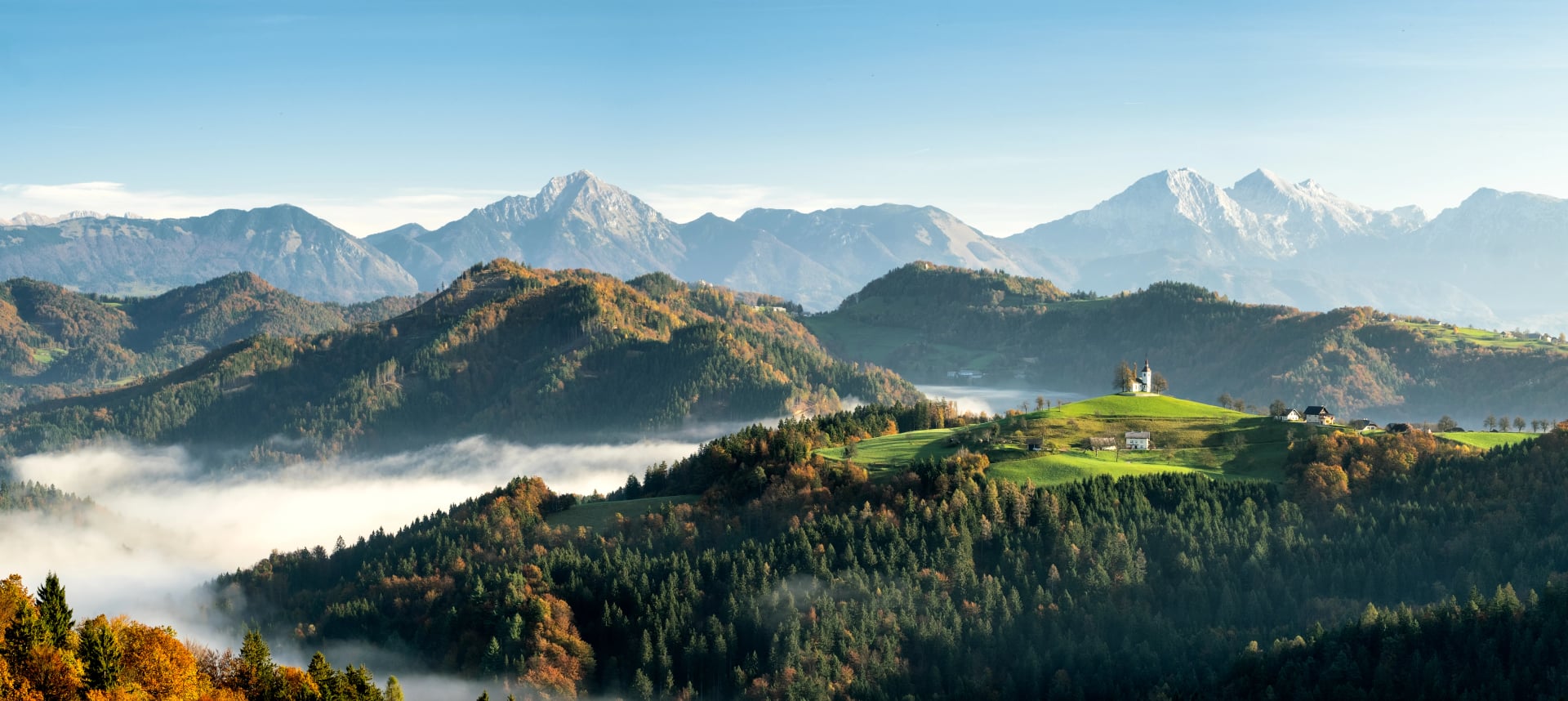
Slovenia makes the most sense if you pick your elevation band first. High regions (passes, ridges, hut-to-hut) run on a short hut-and-snow window, while lower regions (valleys, karst, coast, forested hills) stay hikeable much longer and become the obvious Plan A outside peak alpine weeks. The prime hut-to-hut season is in late June/early July through mid-to-late September, with exact hut opening dates shifting with snowmelt and current weather.
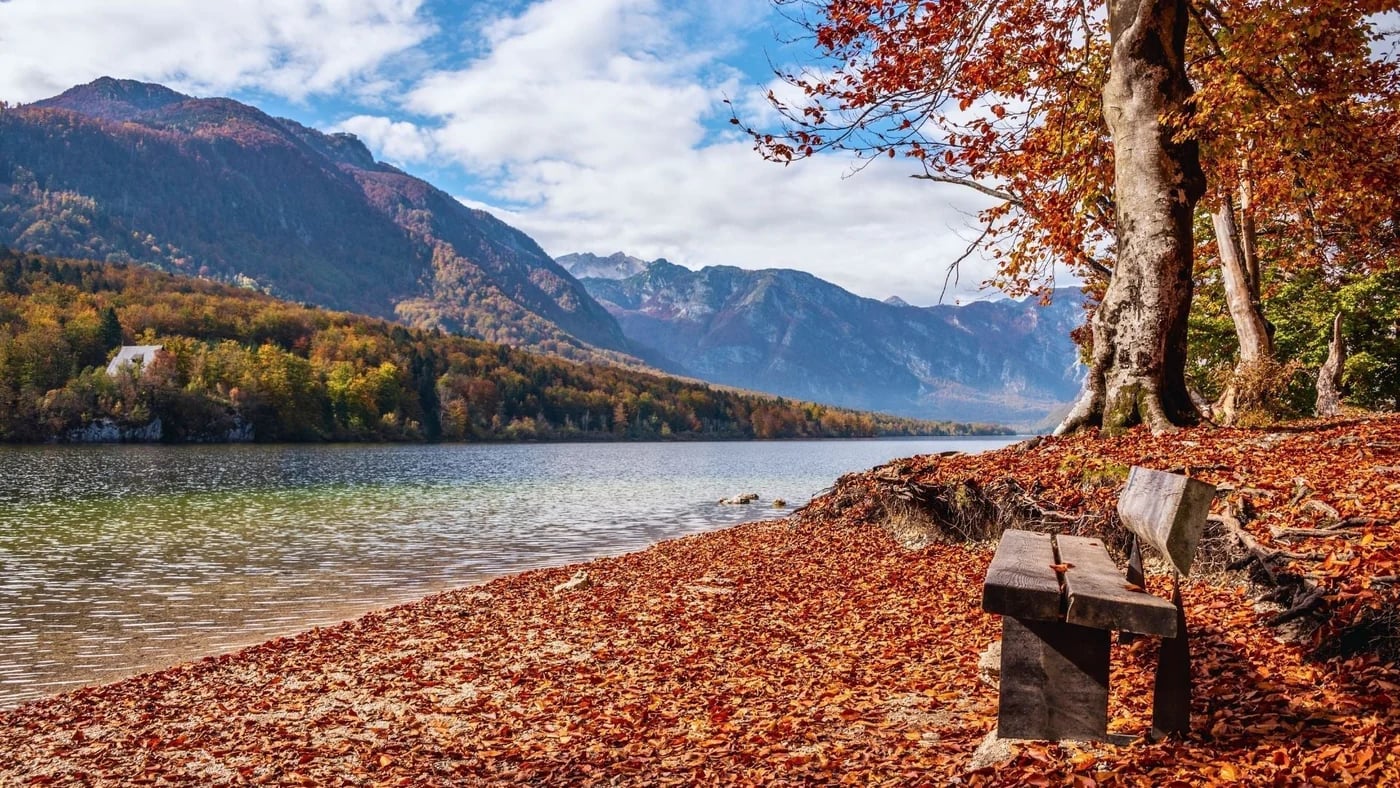
Higher Regions
This is the strict-calendar zone—go here when you want big alpine days and supported hut logistics.
Where: Julian Alps & Triglav National Park; Kamnik–Savinja Alps; Karavanke ridge terrain.
When it works best: Late June to September, with the most straightforward access in July–August.
Timing shortcut: Treat late June as condition-dependent—high huts tend to start opening then, but shaded gullies and corries can still hold snow into early July.
Shoulder season note: Early June and late September can be doable on select routes, but conditions are more variable (lingering snow early; colder nights and possible service wind-down later), so plan shorter objectives and keep a lower-elevation backup.
Off-season note: October–May is generally not suitable for classic high-pass hiking—high terrain shifts toward snow/ice travel and hut services are limited, so only attempt high routes with the right experience, equipment, and up-to-date conditions.
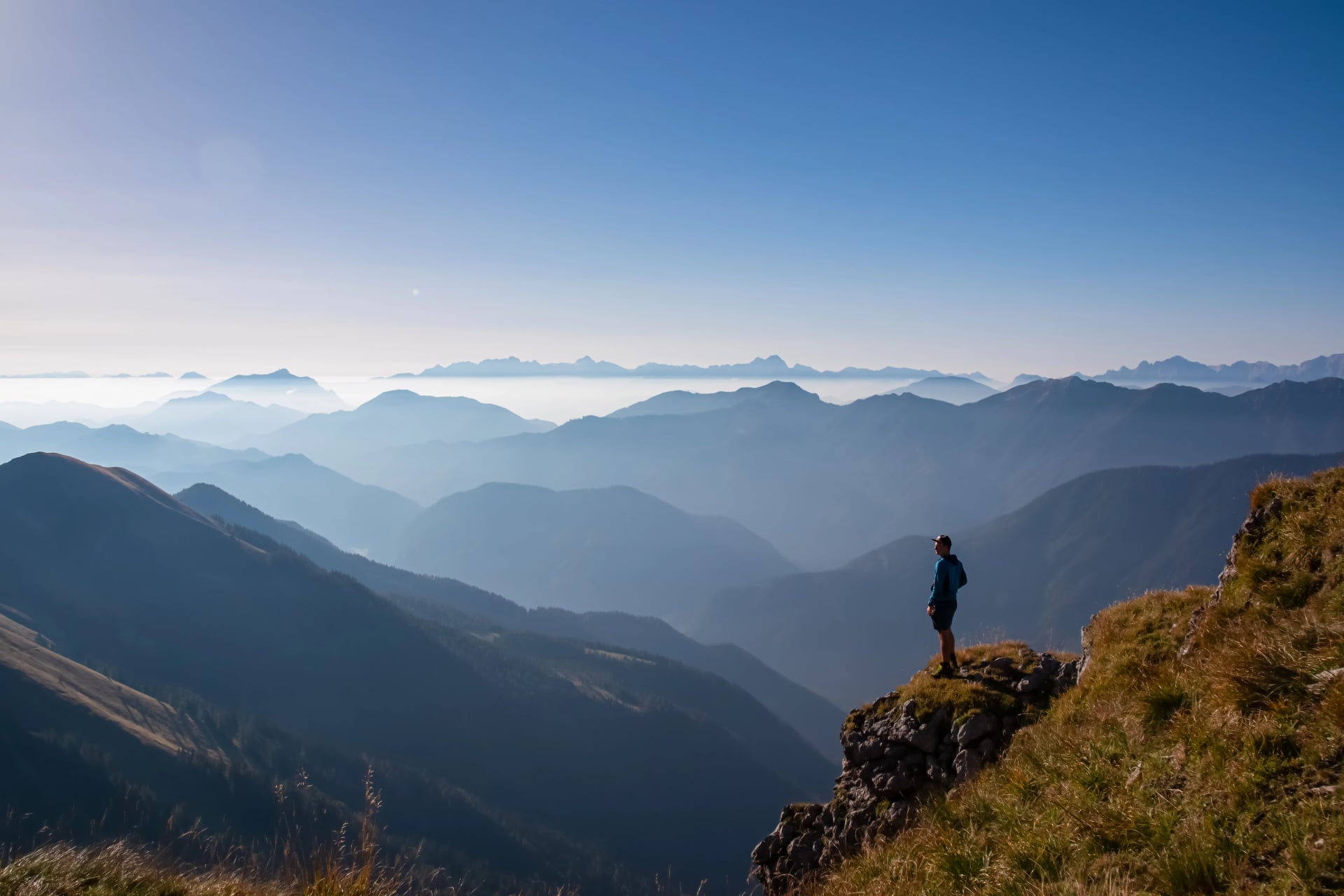
Lower Regions
When high terrain is still snowy (early season) or trending wintery (late season), you’ll get a better hike by dropping elevation instead of forcing alpine passes.
Shoulder season (early June and late September): quieter trails, but more variability—perfect for routes that don’t require high passes or full hut coverage.
Our recommendations: Soča Trail (best late spring to early autumn), Velika Planina (a great autumn hike), and Vipava Valley / Nanos-style hill walks for big views in a milder zone.
Off-season for high routes (October–May): still great hiking—just not summer alpine hiking. Think coast, low hills, forests, and multi-stage lower trails.
Our recommendations: Strunjan coastal routes (sea-level and mild), and longer lower-elevation trail systems like Pohorje-style forest terrain when you want distance without alpine risk.
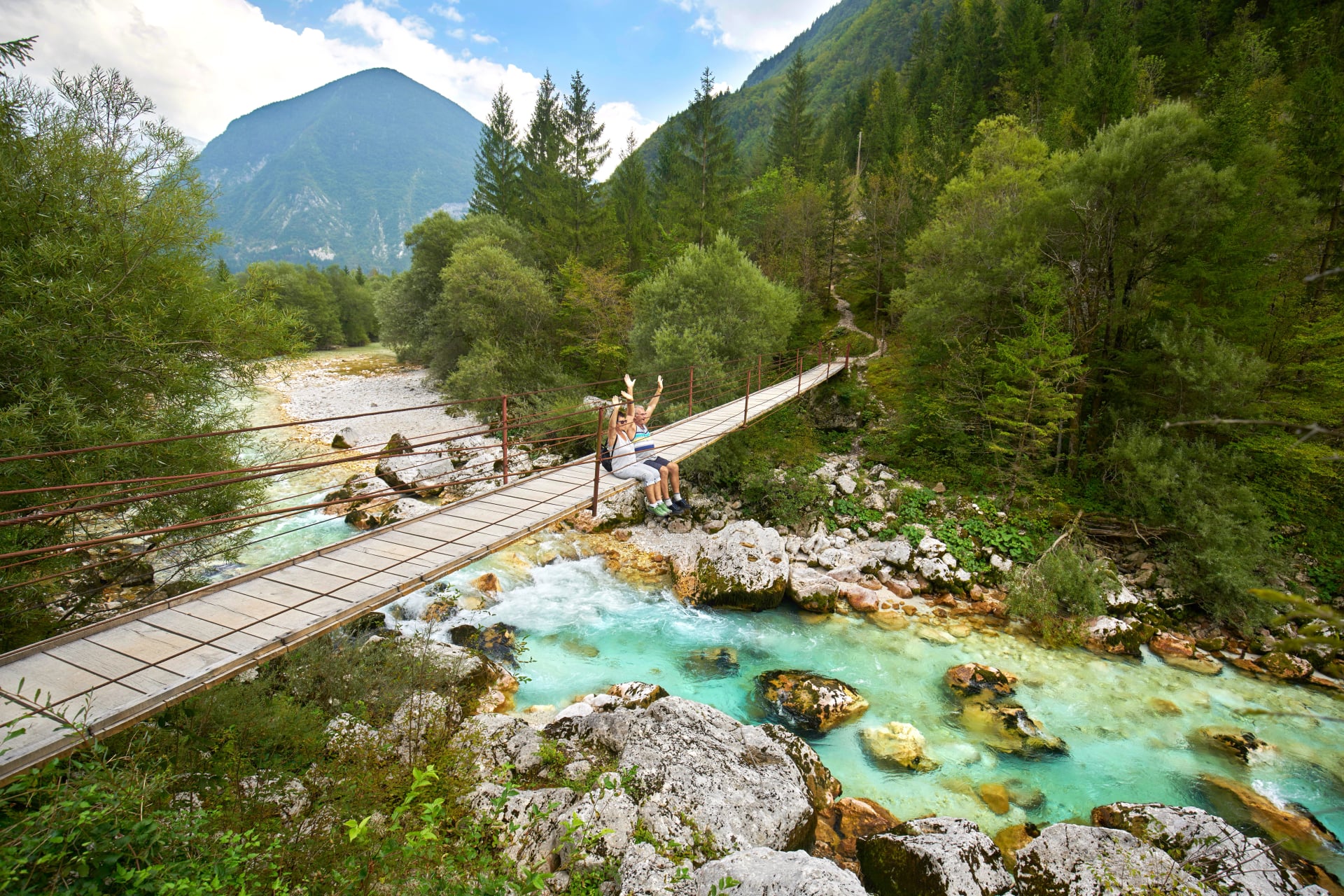
If you want one rule that works: plan high regions for the core alpine window, and use Soča/Karst/Primorska/hills as your built-in backup whenever conditions (or hut schedules) don’t line up.
Month-by-Month Breakdown
Slovenia’s hiking calendar isn’t just “summer vs. winter”—it’s a moving line between high routes (that depend on snowmelt and hut operations) and lower regions (that stay hikeable much longer). Most classic Alpine trekking and hut-to-hut planning clusters into June–September, while places like the Soča Valley work well from late spring into early autumn.
For a quick overview, you can use this table to compare conditions, crowds, and who each part of the core season suits best—before we dive into the month-by-month details.
April
April is when lower regions come back to life: gorges, valleys, karst, forest trails. If you’re thinking long-distance, the Juliana Trail is commonly described as possible from April to late October, though snow can linger on higher sections until June.
Why Choose April?
Quiet trails and a true shoulder-season feel
Great for lower-elevation scenery and “hike + culture” trips
Trade-Offs
High passes and peak routes are still winter/transition terrain
Most high region huts are closed
Daily Weather
Snow in higher sections
Cool to mild days, chilly nights
Frequent showers
Best for: lower-region walkers, flexible planners, Juliana-style itineraries.
Pro tip: Choose routes with elevation “escape options” if weather turns.
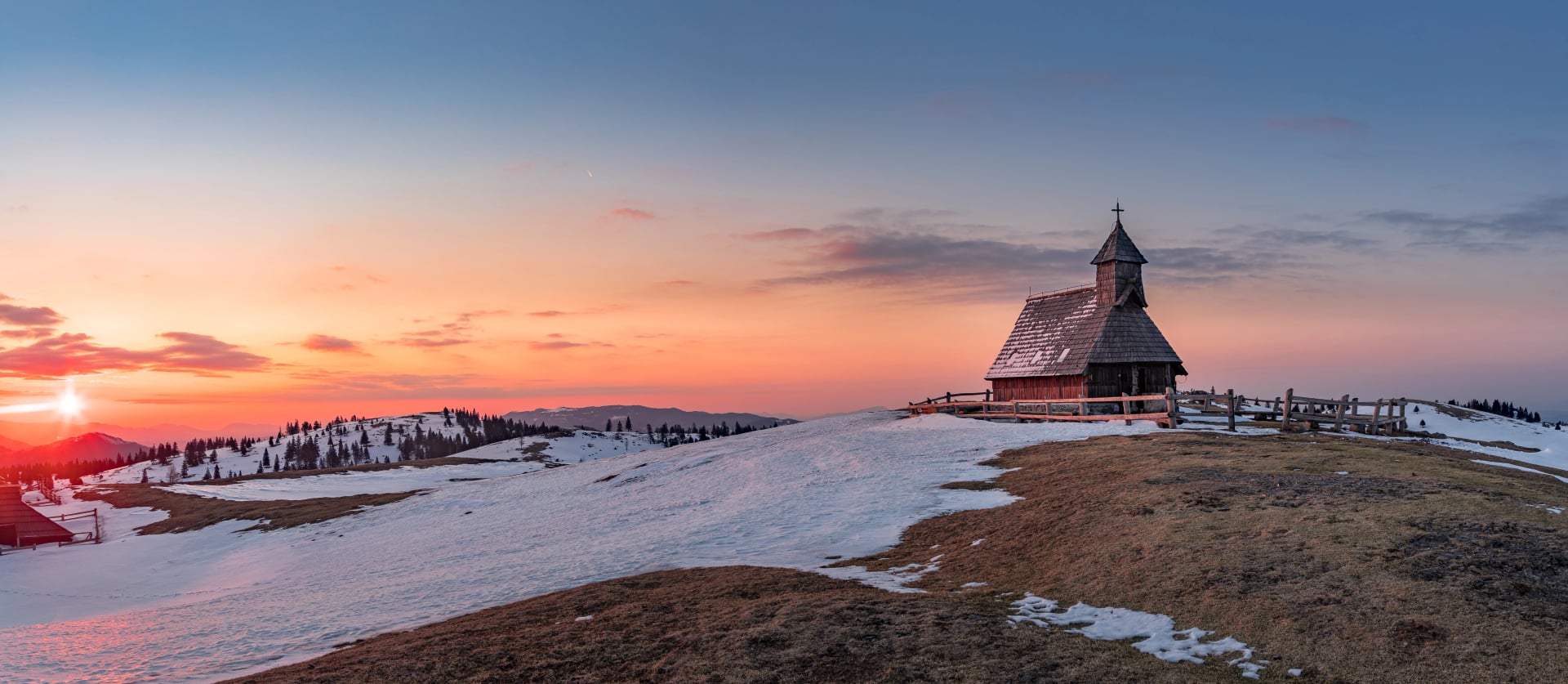
May
May is a sweet month for valleys and mid-elevations, especially if you’re happy to keep your biggest alpine objectives flexible. It’s also a popular time for longer, lower routes.
Why Choose May?
Lush landscapes without peak-season intensity
Strong month for multi-day walking outside the highest terrain
Trade-Offs
High routes can still be blocked by lingering snow in places
Most high region huts are closed
Best for: shoulder-season hikers, valley + ridge combos, long-distance walkers.
Pro tip: Plan one “alpine attempt” day, plus a lower backup route.
June
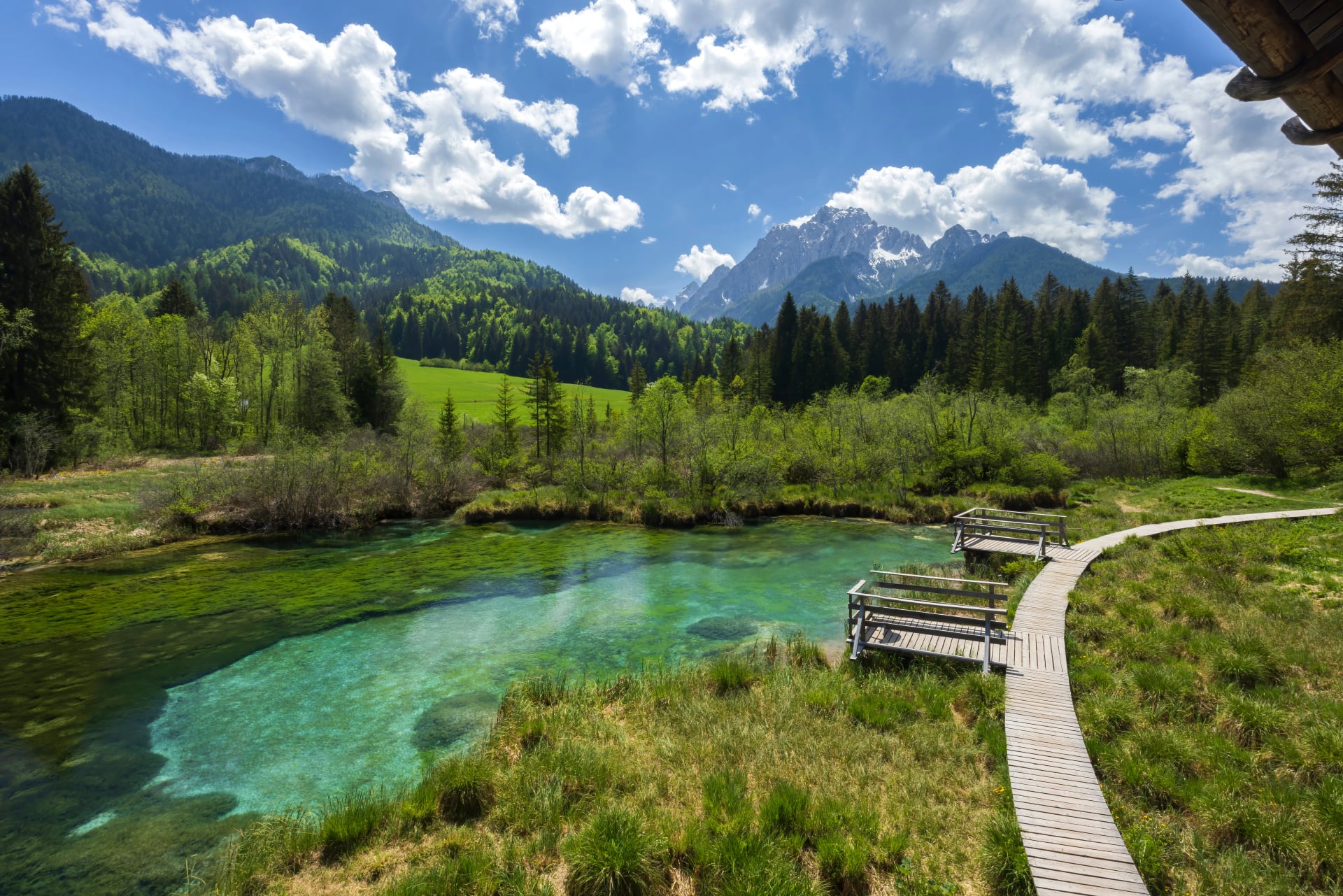
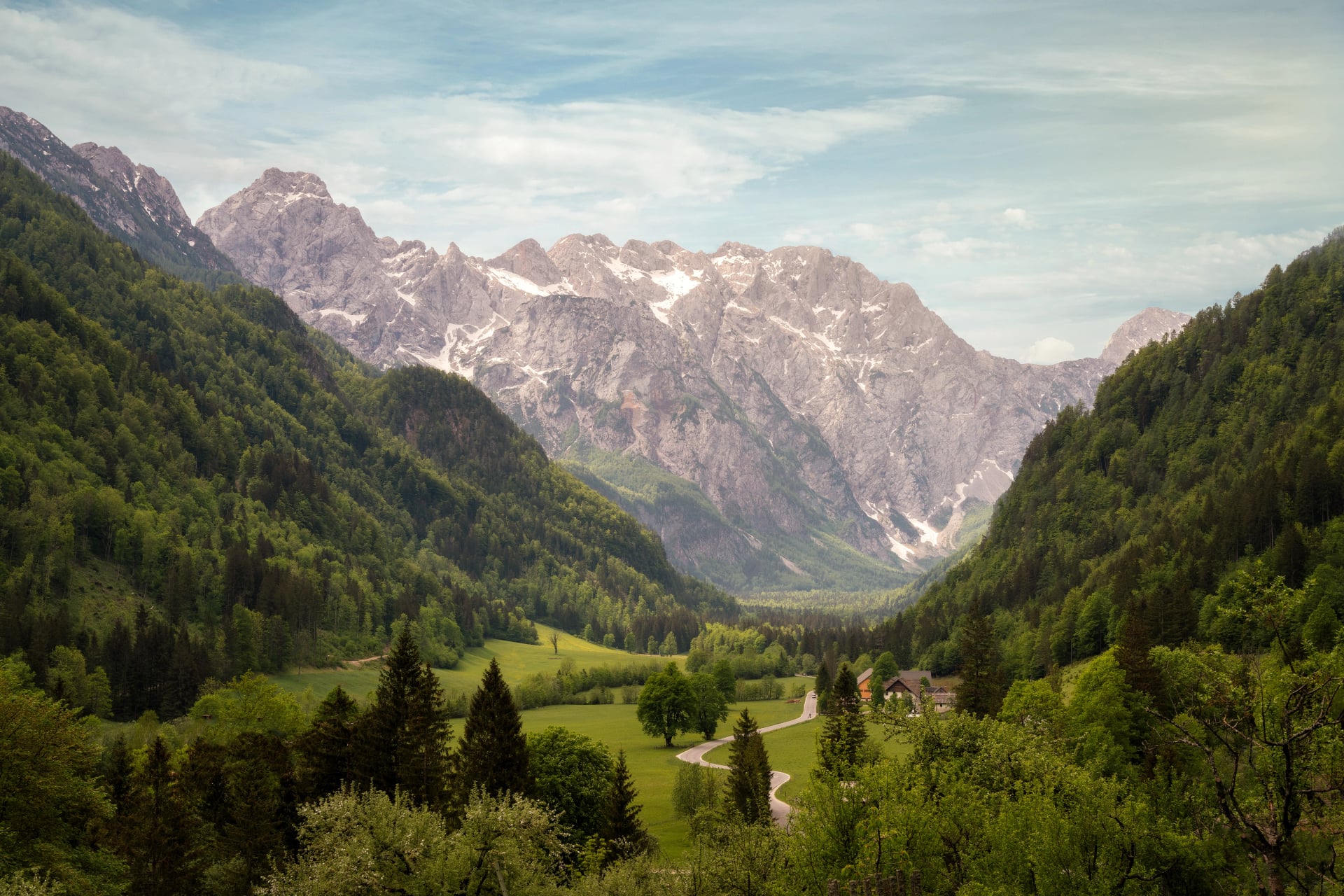
June is when Slovenia transitions from “mostly lower hiking” to “alpine-ready,” but the difference between early and late June is huge. For hut-to-hut, many sources describe the season beginning in late June (or early July).
Why Choose June?
Early-summer freshness, long days, and fewer people than peak summer
Late June often hits the best balance: “open enough” without July/August pressure
Trade-Offs
Early June can still mean snow on higher passes
Most high region huts are closed until late June
Best for: flexible hikers, early-season hut trips (late June), crowd-avoiders.
Pro tip: If huts matter for your route, target the last week of June.
July
July is the first “no-excuses” alpine month: huts are running, planning is straightforward, and you can link bigger stages confidently. It’s also when crowds start to build and bookings become more important.
Why Choose July?
The easiest logistics for hut-to-hut
Long, reliable hiking days
Trade-Offs
Crowds rise; popular huts and classic corridors can fill up
Best for: first-time Slovenia alpine hikers who want the simplest planning.
Pro tip: Start early—heat builds, and demand increases as summer settles in.
August
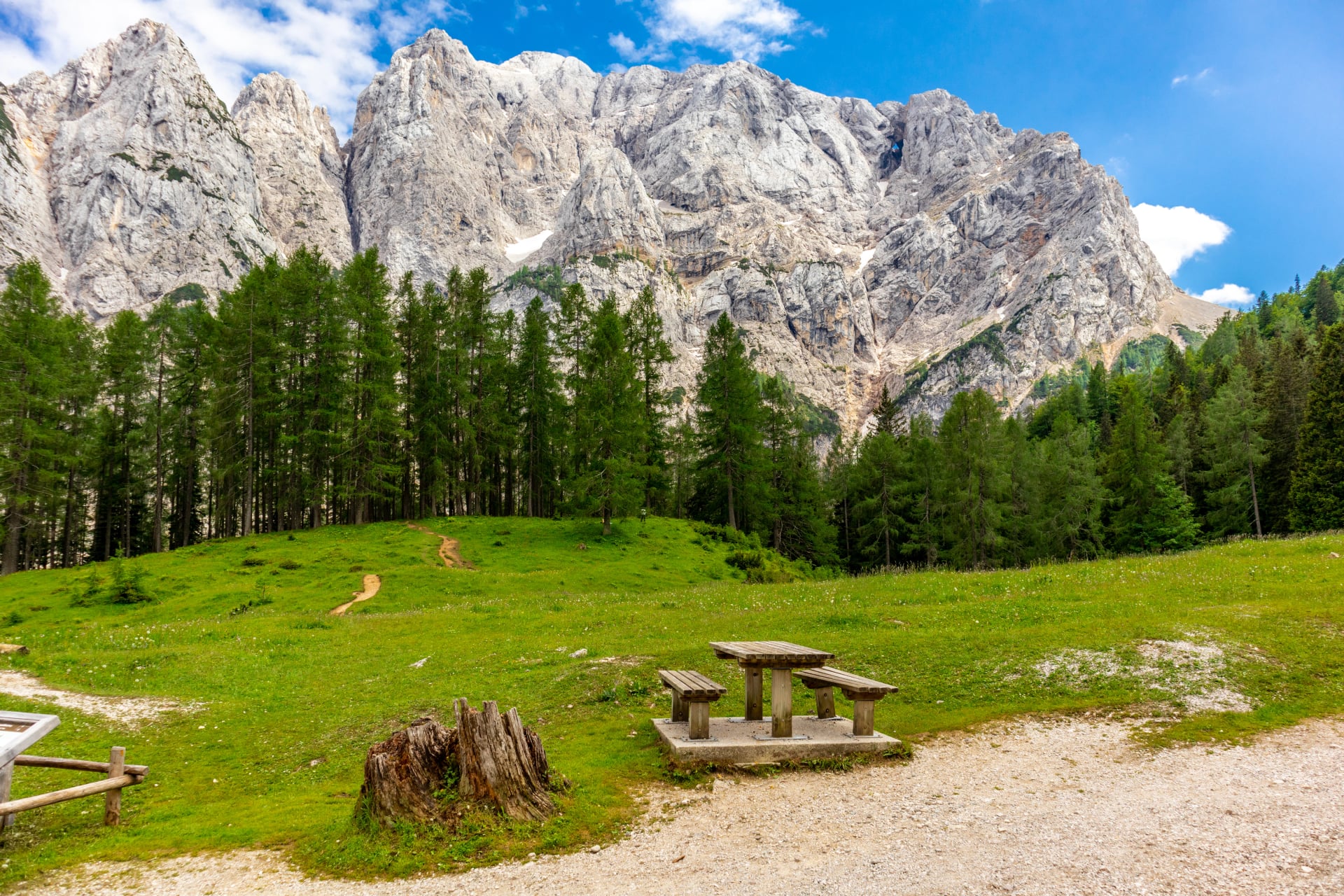
August is the peak season for the classics. Triglav routes can feel very busy on sunny weekends, with bottlenecks on exposed sections and huts booking out early. Triglav National Park also runs systematic visitor monitoring, which shows how concentrated demand is on a handful of corridors.
Why Choose August?
Everything is open and running smoothly
Great if you like the social mountain-hut atmosphere
Trade-Offs
The busiest time and most crowded especially on the weekends - huts are often occupied and need advance booking
Daily Weather
Warm days, mild nights
Regular summer afternoon storms
Best for: social hikers, fixed August holidays, “full-service” trips.
Pro tip: Go midweek if you can—weekends amplify crowds dramatically.
September
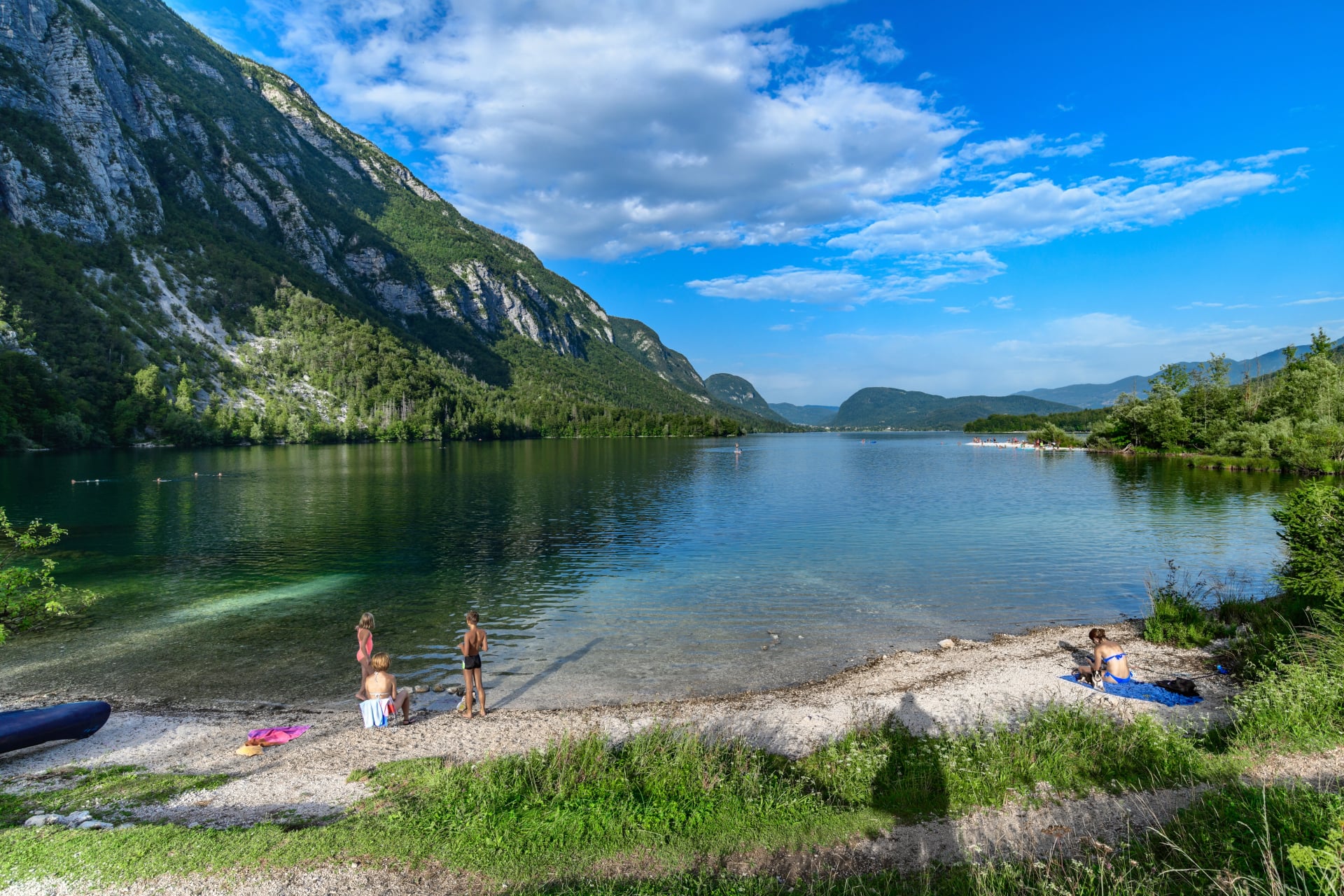
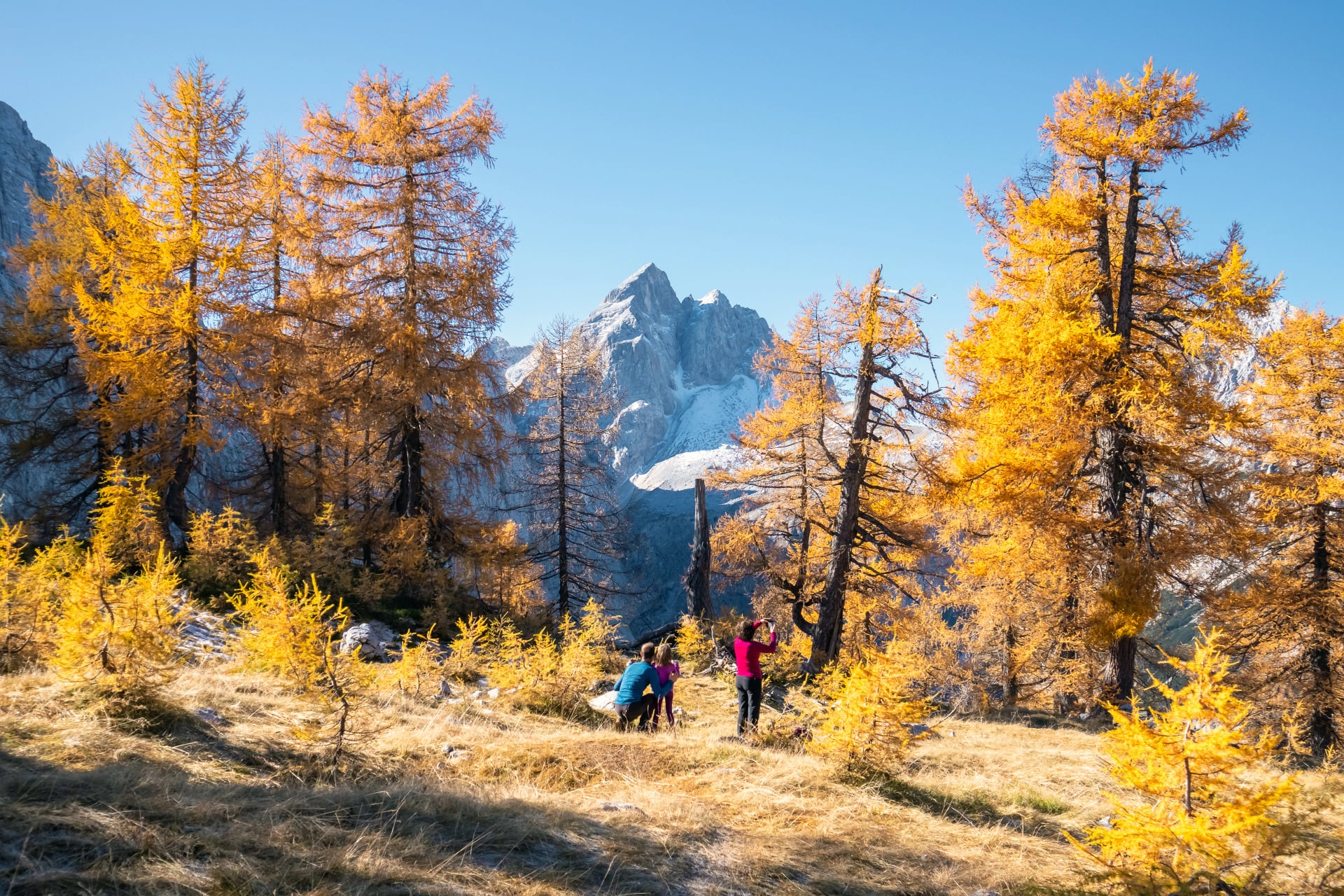
September is often where Slovenia feels most “hikeable”: cooler days, clearer air, and a calmer rhythm—while still inside the usual hut-to-hut window (until mid/late September).
Why Choose September?
More breathing room on trails and in huts compared to peak summer
A strong balance of conditions + comfort before the season winds down
From mid-September onward there are noticeably less crowds
Trade-Offs
Nights and mornings can feel cold; later in the month, services start winding down
Best for: photographers, hikers who prefer cooler temps, crowd-avoiders.
Pro tip: If you’re aiming for huts, prioritize early September and confirm schedules for late-month dates.
October
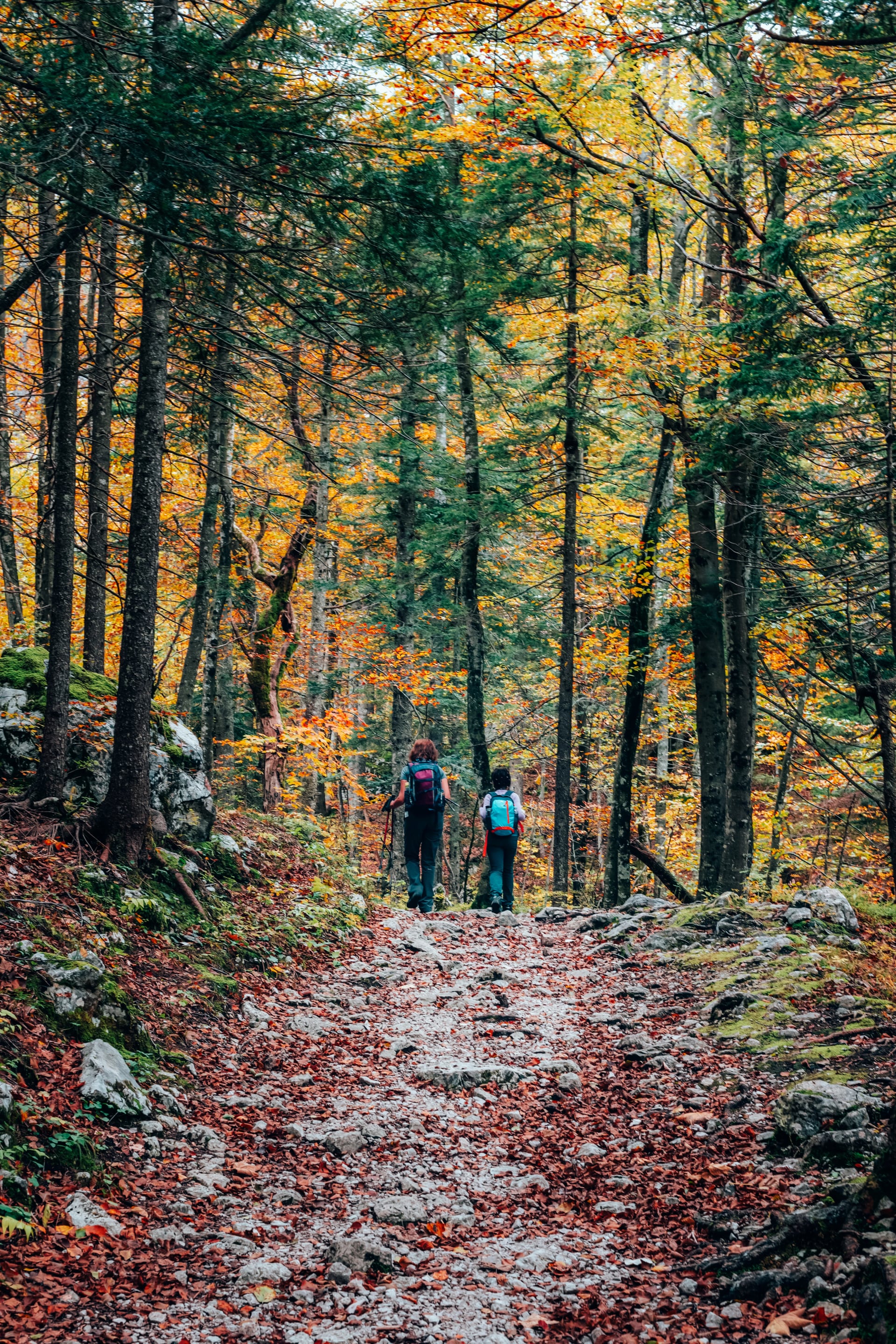
October can still be excellent—just not “high routes by default.” Long-distance walking is often described as possible into late October, while high terrain becomes more weather-dependent and less serviced.
Why Choose October?
Crisp air, quiet trails, strong “out-of-season” feel
Great month for valleys, forests, and lower routes
Trade-Offs
High passes become hit-or-miss; plan around daylight and forecasts
Most high region huts are closed
Daily Weather
Cool, crisp hiking temperatures
More "wet weather"
Shorter hiking window
Best for: solitude seekers and lower-region hiking.
Pro tip: Choose routes with easy exits—and treat any high-route day as a bonus, not a guarantee.
December to March - Winter Alternatives
From roughly November through March, the high mountains (Julian Alps, Kamnik–Savinja, Karavanke) are often in winter mode—snow/ice, short days, and conditions that shift from hiking to winter travel. That’s why most classic hiking guidance focuses on late spring through early autumn, especially for Triglav National Park and alpine routes.
While the classic hiking season is paused in the high Alps, Slovenia still has plenty of outdoor options:
cross-country skiing,
snowshoeing on winter routes,
ice climbing on frozen waterfalls for experienced climbers,
ski mountaineering / ski touring in the Julian Alps for advanced travelers with proper safety gear.
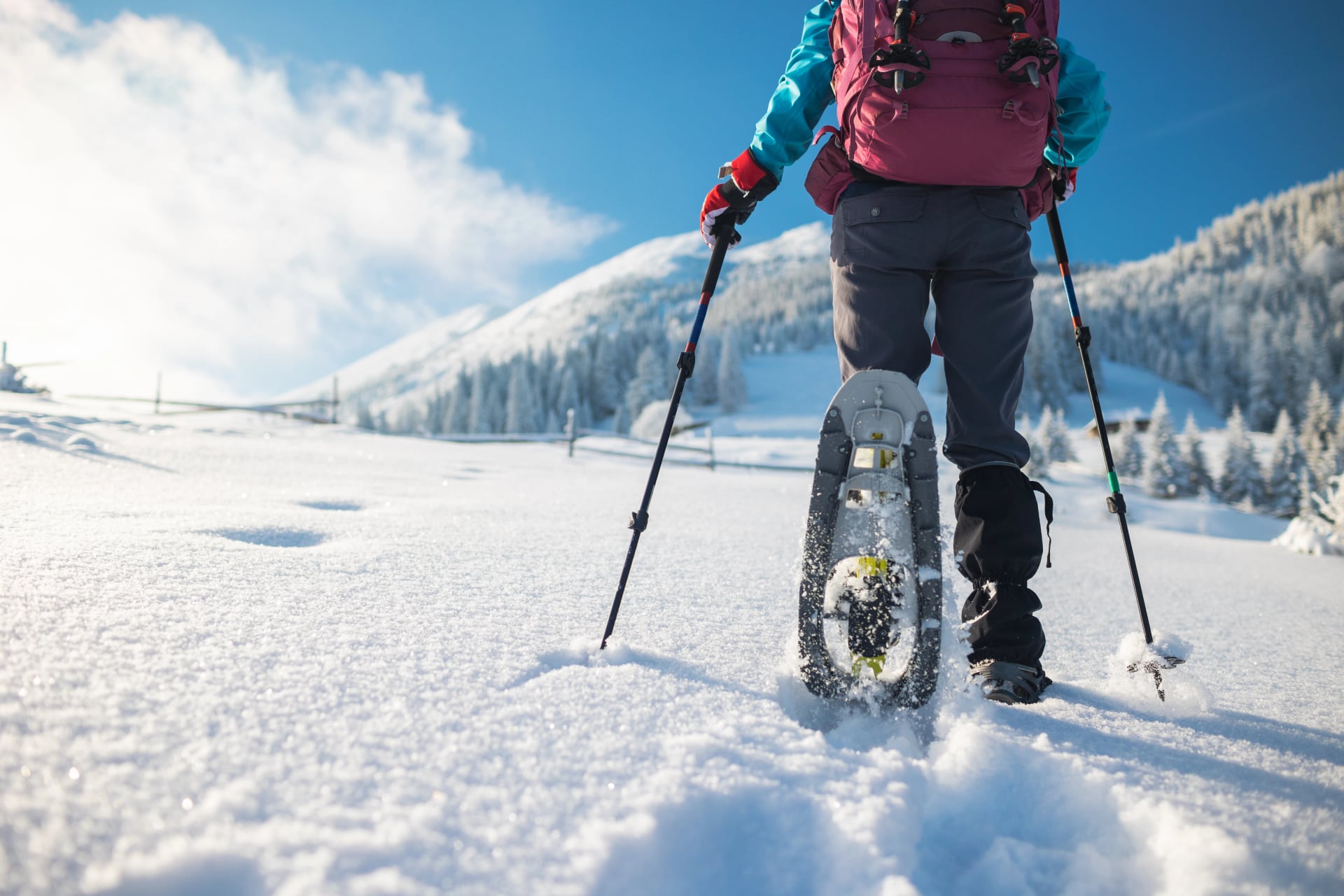
If you’re looking to experience a more winter-focused adventure in Slovenia, you can check our Triglav ski traverse tour.
Weather & What to Pack
Slovenia’s weather can feel deceptively calm in the valleys and brutally different on a ridge an hour later. The single best planning habit is to treat forecasts as elevation-specific, not “country-wide,” and to check current conditions before you commit to a route—Triglav National Park publishes an updates page for exactly this reason.
Weather Patterns to Plan Around
In the Alps, the day often has a rhythm. Mornings are typically your safest window for big climbs, while afternoons are when heat, cloud build-up, and storms are most likely to complicate exposed terrain. Slovenia’s official safety guidance explicitly recommends starting early to avoid peak heat and frequent afternoon storms, and to plan your descent so you’re not racing daylight.
Also, don’t rely on one forecast source. Check reliable weather forecasts, trail conditions, and—when relevant—the avalanche bulletin before heading out. For practical trip planning, ARSO’s mountain bulletin is useful because it breaks conditions down by mountain regions (Julian Alps, Kamnik–Savinja Alps, Karavanke, etc.).
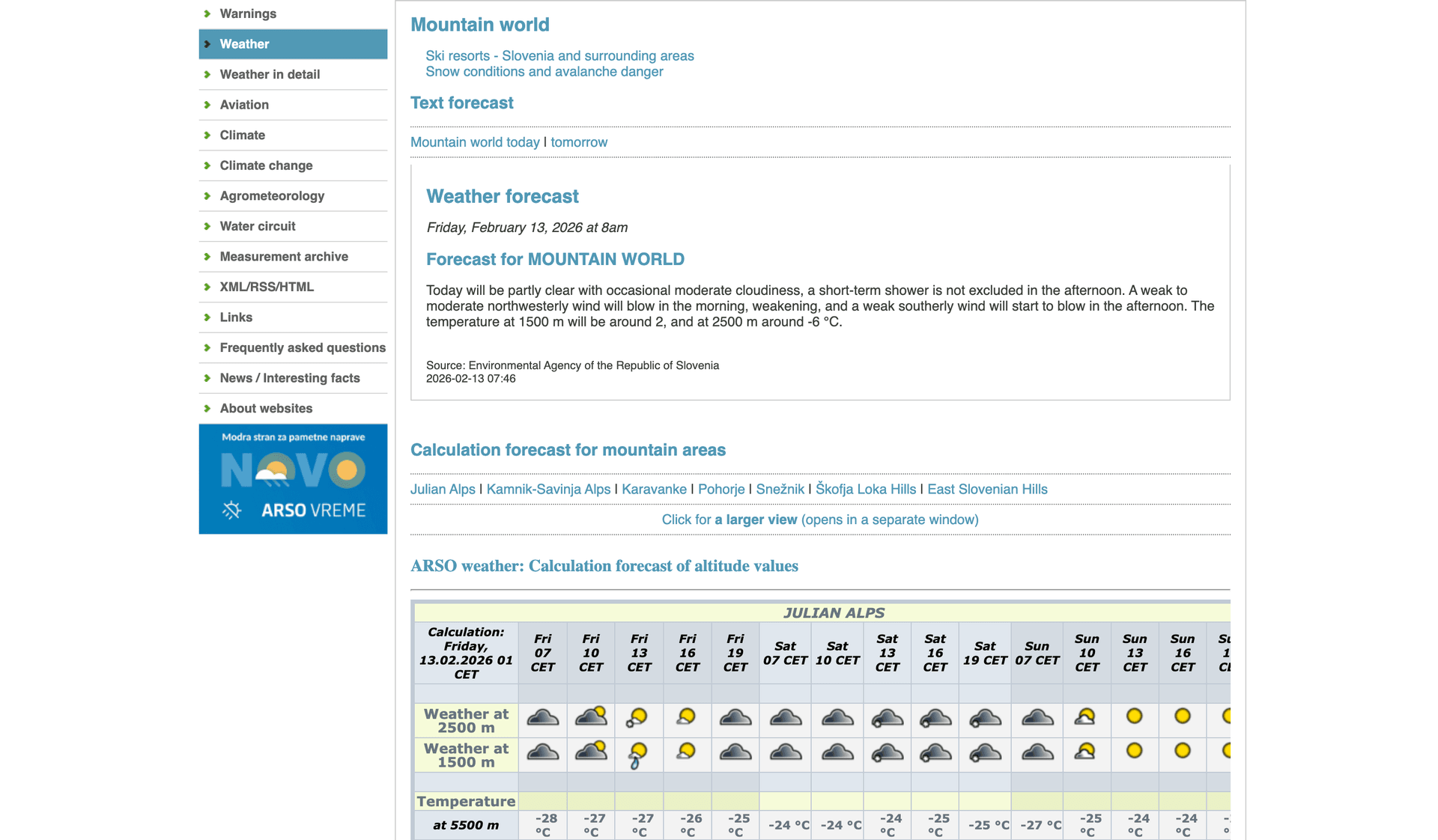
Monitor the regional ARSO mountain forecast and avalanche bulletin before your trek
What to Pack
Pack for fast changes, not the forecast in the valley. For Slovenia’s high routes, a basic layering system plus a proper waterproof shell is the core; add a warm hat and gloves even in summer because wind and cold at elevation can arrive suddenly.
For more detailed information, you can check our full essential packing list
What to Do Off the Trail
If you’re building a hiking itinerary, it helps to plan a few “off-trail” days for cities, food, lakes, and wellness. These seasonal ideas make it easy to match Slovenia’s best non-hiking experiences to your hiking window.
Spring (March–May)
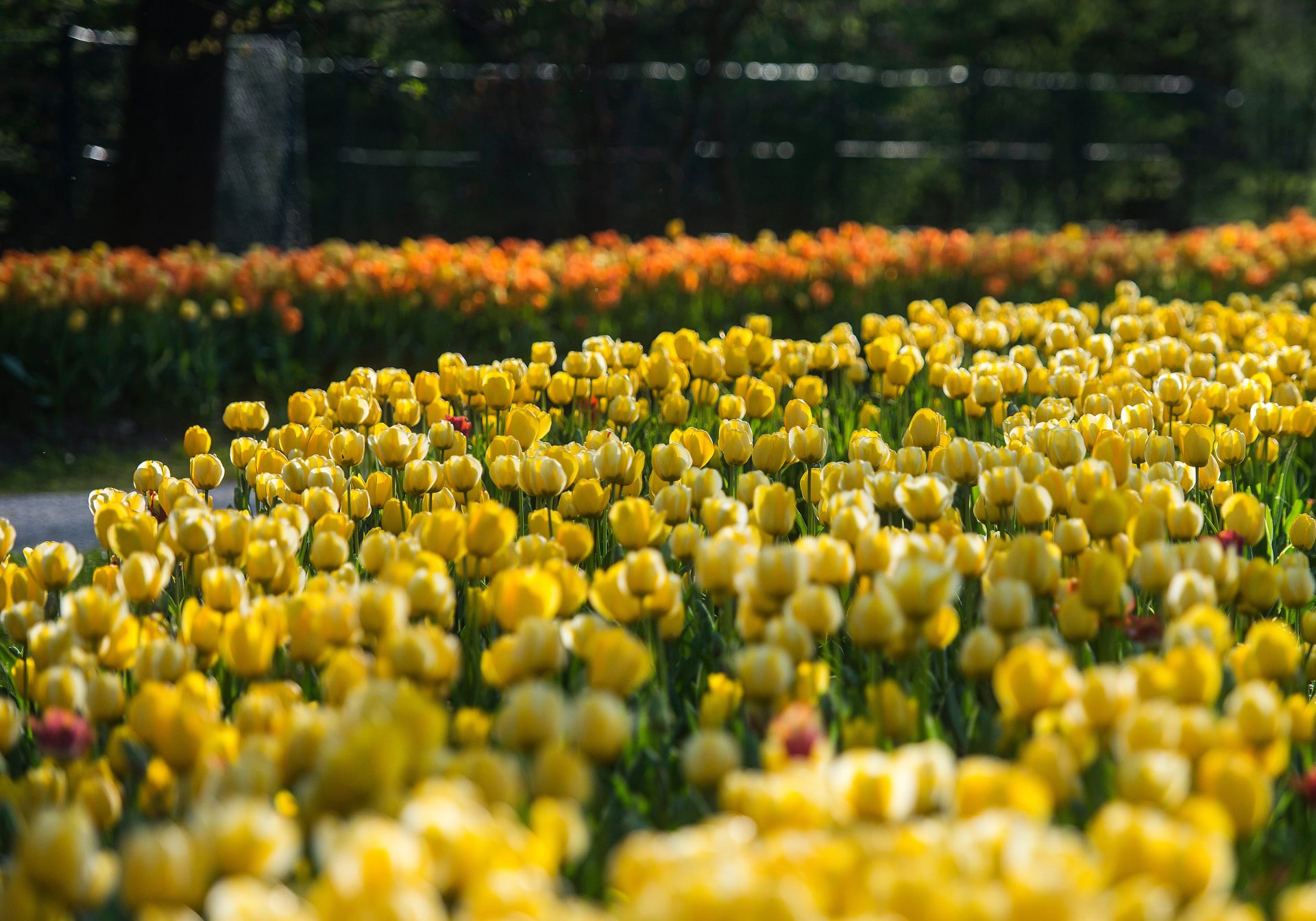
Flower walks and gardens, especially spring displays at Arboretum Volčji Potok (tulips and other spring blooms).
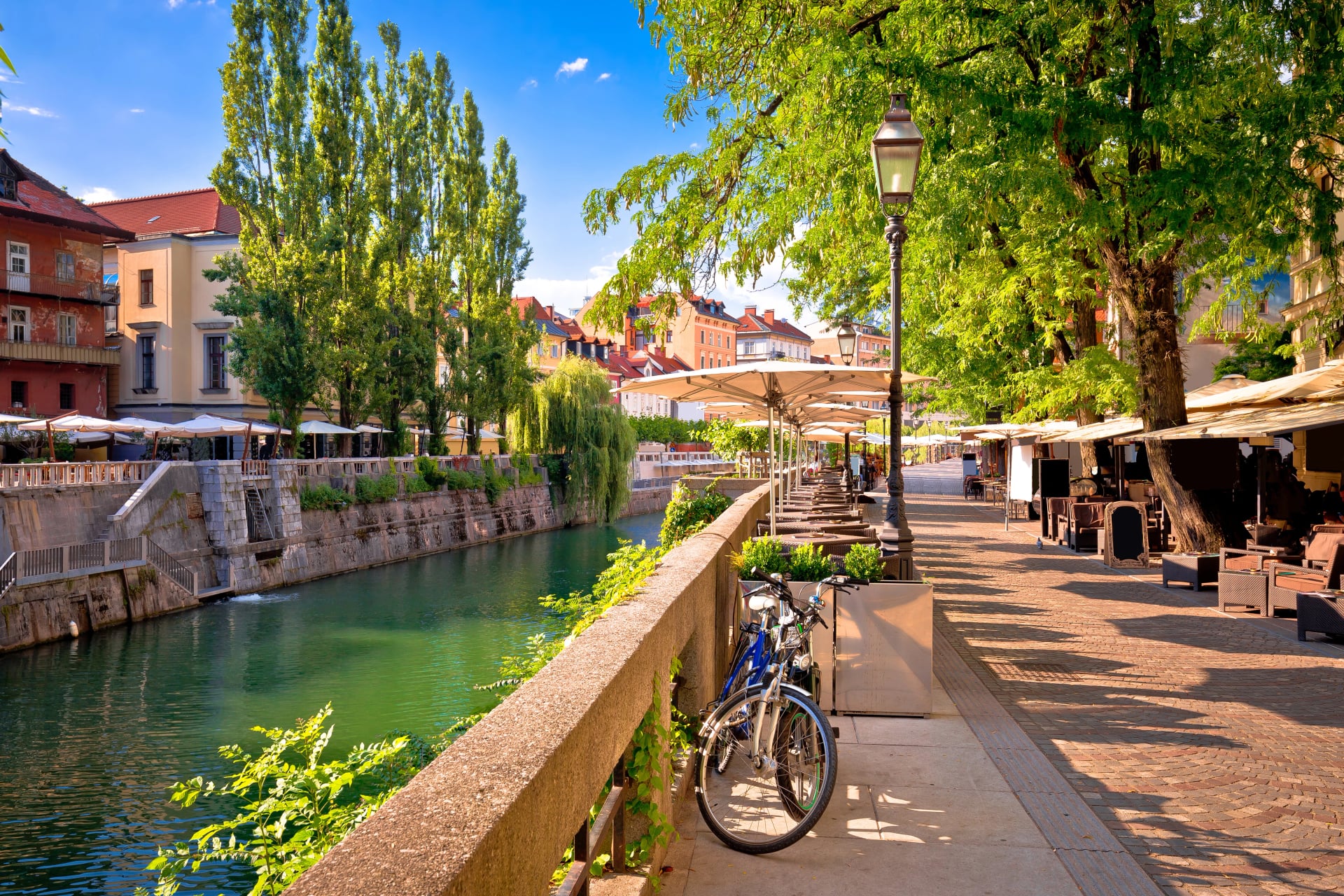
Easy city breaks in Ljubljana: cafés, riverside walks, museums, and day trips while crowds are still lighter.
“Green season” sightseeing: castles, scenic drives, and relaxed food-focused weekends before peak summer demand.
Summer (June–August)
Ljubljana’s summer event calendar, including “Summer in Ljubljana Old Town” running through June to the end of August.
Central Slovenia festival-hopping: major summer festivals across Ljubljana and nearby towns.
Water days as a counterbalance to hot hikes: lakes and the coast, plus evening events when daytime heat peaks.
Autumn (September–November)
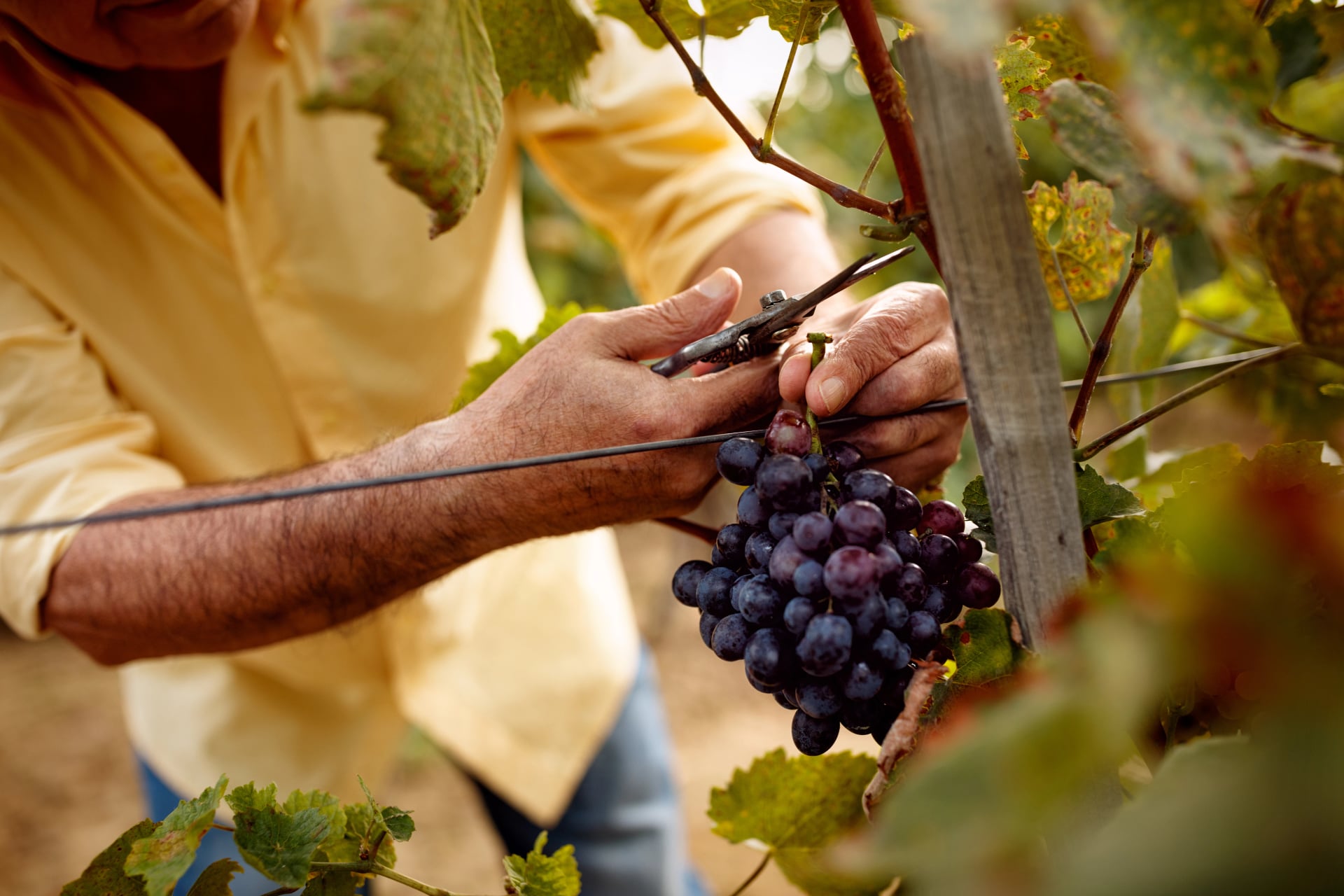
Wine harvest atmosphere and tastings, then Martinovanje (St Martin’s Day celebrations) as the traditional “new wine” moment in early November.
Cooler-city weekends: Ljubljana is great for culture and food when hiking days get crisp and crowds ease.
Scenic “golden season” drives and short viewpoints when you want big landscapes without committing to high-alpine routes.
Winter (December–February)
Festive Ljubljana: Christmas market, food stalls, and a large program of free events through December, culminating around New Year’s.
Ski days in Kranjska Gora (one of the best-known winter bases), plus winter events in town.
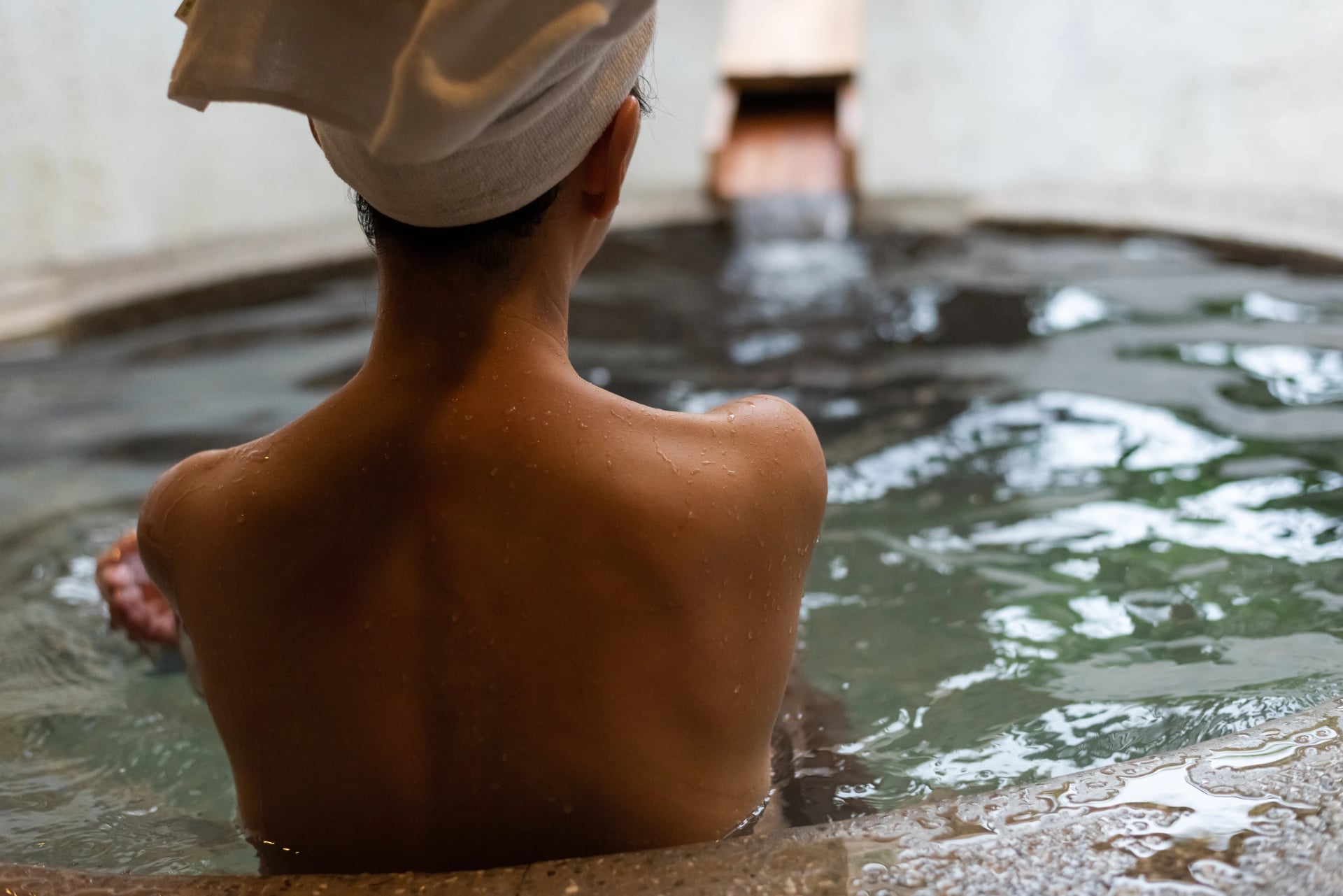
Thermal spa and wellness breaks: Slovenia’s official tourism site highlights thermal/mineral springs and winter spa escapes as a classic cold-season plan.
Once you’ve picked the overall season vibe, use the hiking guidance below to choose the right elevation band, so your rest days and your hiking days both “fit” the conditions.
Mountain Huts and Seasonal Openings
Slovenia’s hut system is what makes high-route hiking (and hut-to-hut trips) so efficient—but it also sets the calendar. Most huts in the high Alps run on a short, weather-dependent summer season, and outside that window your route options narrow fast.
Hut Season
Late June / early July to mid/late September is the reliable window for hut-to-hut hiking in Slovenia.
In the central Julian Alps, huts often open around the last week of June and close in late September (varies by hut/year).
Early Season vs Late Season
June (early): snow can linger on higher passes + some huts may still be closed.
September (late): some hut services start winding down; colder nights and occasional early snow risk.
Booking Timeline by Month
Because hut-to-hut depends on a limited number of beds, booking pressure rises sharply in peak periods.
July–August (and weekends in Sept): book weeks to months ahead on popular routes; some huts are fully booked far in advance in peak season.
Late June and early September: you’ll usually have more flexibility, but weekends can still fill—reserve if your route depends on specific huts.
Late September and October: fewer huts/services are running, so options narrow—availability may be easier where huts are still open, but you need to plan around closures.
Weekend vs. Weekday
If your schedule allows, plan key high-route days and hut nights Monday–Thursday—weekends amplify both crowds and booking pressure.
Our tours handle hut bookings and timing logistics—choose your dates, and we’ll build the itinerary around the season’s realities.
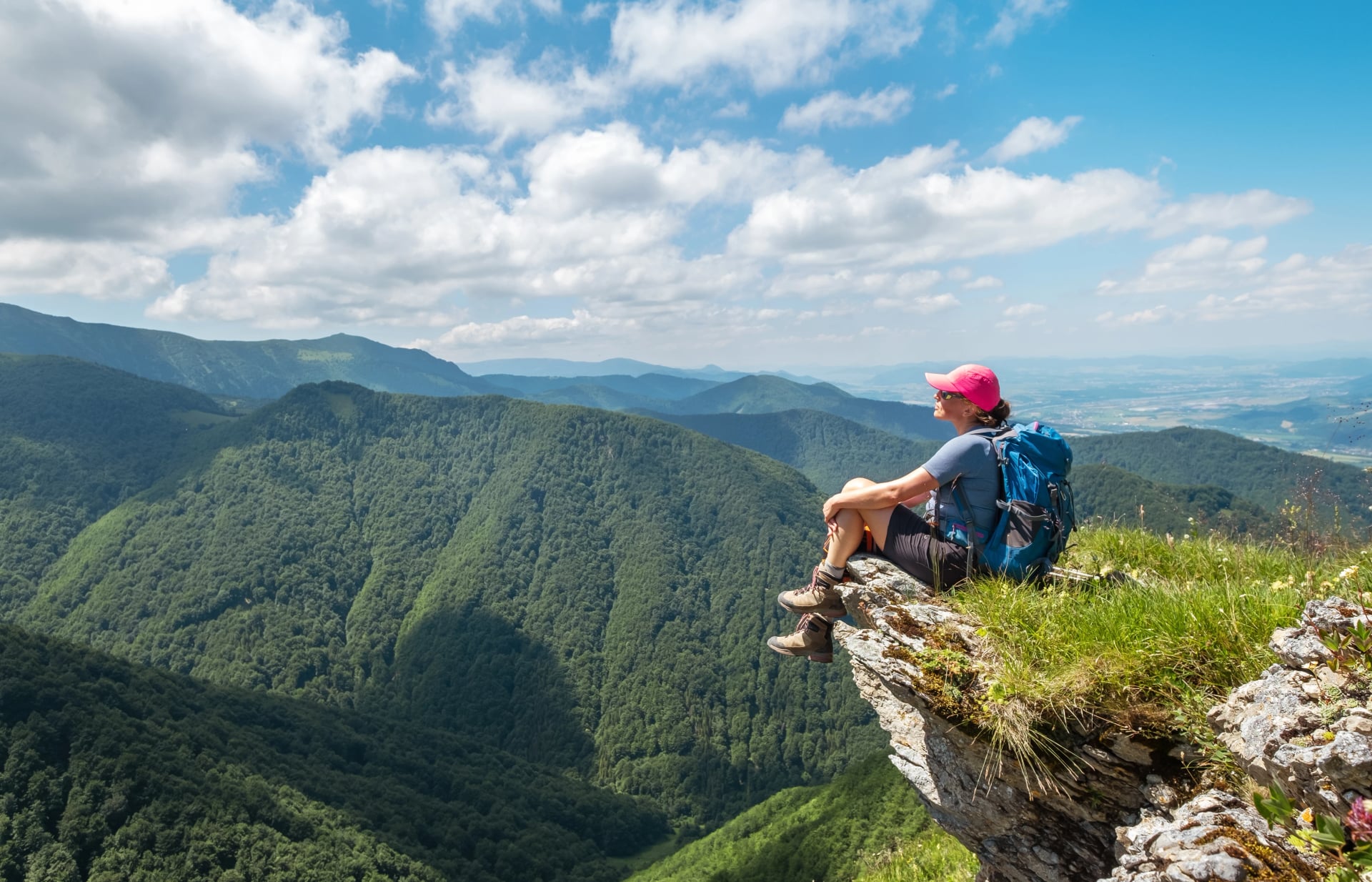
So…When Should You Hike in Slovenia?
If you want the trip to feel effortless, go in early September. And if you’re leaning toward late June, keep your plans flexible — hut openings and high-trail access depend on snowmelt and the current weather, so it’s worth checking conditions right before you go.
If you need any help choosing the best time to go hiking in Slovenia, contact us and our hiking experts will be happy to advise.

About this author
Anja is our lead travel advisor and a lifelong hiker who has planned countless adventures across Europe. She prefers sunsets to sunrises — unless coffee is involved — and, ever since her first rock-climbing course, joins friends on climbing trips whenever she can.